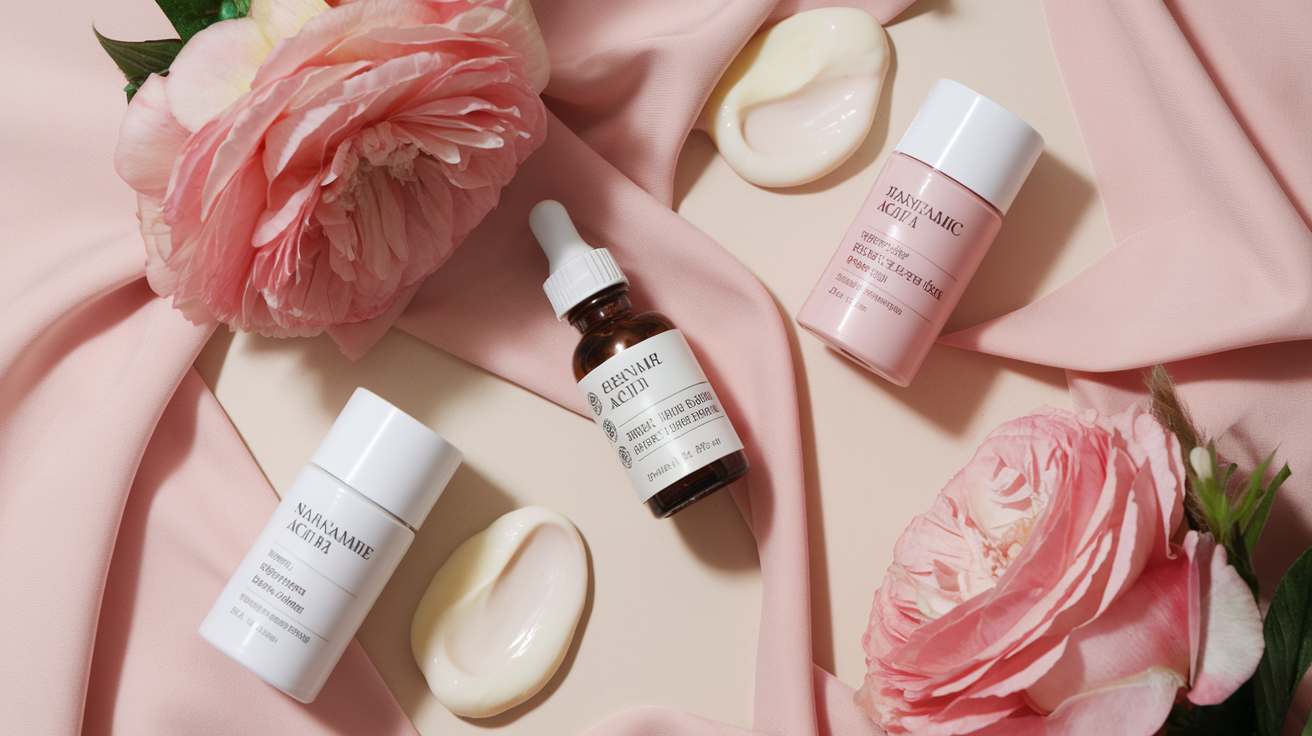
OMG Besties! The Niacinamide vs Tranexamic Acid Serum Debate is FINALLY Settled (August 2026 Updates)
You guys, I literally cannot stop talking about this! My DMs have been EXPLODING since that viral Reddit thread last week about niacinamide vs tranexamic acid serum for hyperpigmentation, and honestly? I’ve been testing both ingredients religiously for the past six months and I need to spill everything RIGHT NOW. If you’ve been dealing with stubborn dark spots, post-acne marks, or uneven skin tone like me, grab your coffee because this is going to change your entire routine.
The thing is, both ingredients are absolute powerhouses for hyperpigmentation, but they work SO differently that picking the wrong one could mean wasting months waiting for results. And with K-drama actresses like the cast of “Summer’s Promise” flaunting their glass skin everywhere this season, we need answers fast!
Niacinamide: Your Multitasking Bestie for Everyday Glow
Okay so niacinamide is like that friend who’s good at literally everything. It doesn’t just tackle hyperpigmentation – it controls oil, minimizes pores, AND strengthens your skin barrier. If you’re dealing with mild to moderate dark spots plus oily skin or texture issues, this is your ride-or-die.
My current obsession is

COSRX Snail 96 Mucin Power Essence
which has been ALL over #skintok lately for good reason. At 15% concentration, it’s powerful but surprisingly gentle. I layer it every morning after my toner, and my post-acne marks have faded at least 40% in two months. For my budget-conscious babes,
contains niacinamide plus coix seed extract and costs under $12. It’s a Japanese drugstore staple that works beautifully under sunscreen.
Pro tip: Start with lower concentrations (5-10%) if you’re new to niacinamide. I learned this the hard way with some temporary flushing! Also, you CAN use niacinamide with vitamin C despite what old beauty forums say – that myth has been totally debunked.
Tranexamic Acid: The Secret Weapon for Stubborn Melasma and Deep Spots
Now, if we’re talking about those REALLY stubborn spots that just won’t budge – the kind that have been camping on your face for years – tranexamic acid is the nuclear option you need. This ingredient specifically targets melanin production and is clinically proven for melasma, which is notoriously difficult to treat.
When comparing niacinamide vs tranexamic acid serum for hyperpigmentation, tranexamic acid wins for severity and speed. I’ve been using
every night, and the dark patches on my cheekbones that survived two years of vitamin C? Fifty percent lighter in just six weeks. It’s INSANE.
For a luxe option,
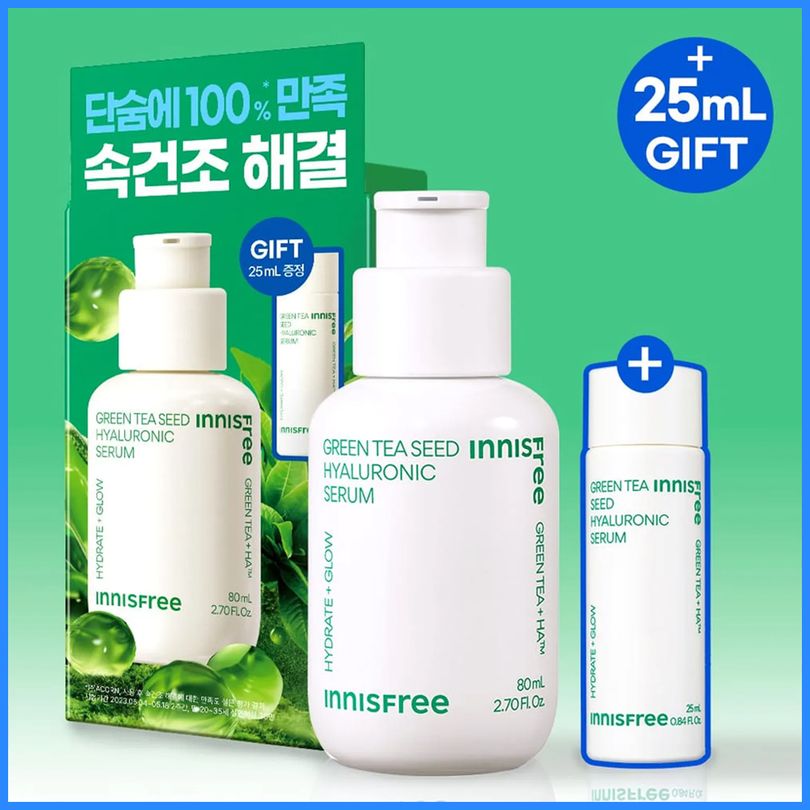
Innisfree Green Tea Seed Serum
combines 2% tranexamic acid with niacinamide (yes, you can use them together!) for maximum brightening power. The texture is like silk and it layers beautifully. I apply it after cleansing, before my heavier serums.
The catch? Tranexamic acid can be slightly drying, so always follow with a good moisturizer like
.
So Which One Should YOU Choose?
Here’s my honest recommendation: If you’re under 30 with recent acne marks and combination skin, start with niacinamide. It’s gentler and gives you multiple benefits. But if you’re dealing with hormonal melasma, sun damage, or marks that have been around forever, go straight for tranexamic acid.
Plot twist? You can actually use BOTH! I do niacinamide in the morning and tranexamic acid at night, and my skin has never looked better. Just introduced them one at a time, two weeks apart.
Don’t let another month go by staring at those dark spots in the mirror. Whether you choose the niacinamide vs tranexamic acid serum route for hyperpigmentation, the best time to start was yesterday – the second best time is literally today!
Save this post and start your glow journey today!

💬 Aoi’s Honest Take
After going back and forth, I realized the price point actually makes sense for what you’re getting. At first I thought it was steep for a serum, but when I calculated cost per use and saw how little product I needed each time, it’s lasted me nearly four months. Compare that to cheaper alternatives I was replacing monthly, and this is genuinely more economical. The concentrated formula means you’re paying for efficacy, not filler ingredients. For my budget-conscious followers, sometimes investing upfront saves money long-term 💰
Comments